


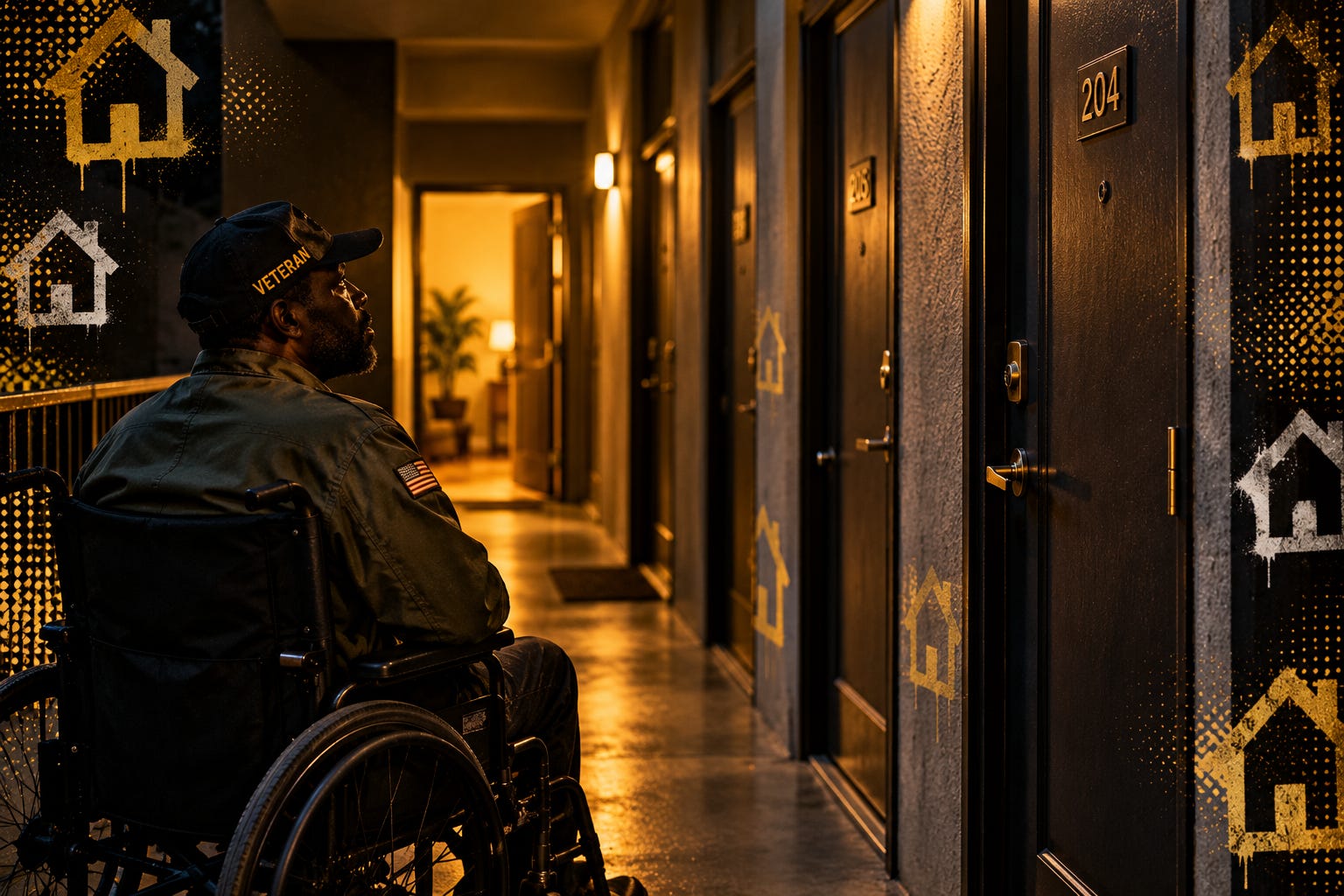
A Disability Rating Was Supposed to Make Housing Easier. For Years, It Did the Opposite.
Roughly 3,050 veterans slept without a home in Los Angeles County on a single night in the most recent count, a number that ticked up 2 percent from the year before even as overall veteran homelessness has fallen sharply since 2016. Many carry a service connected disability that should, on paper, make housing help easier to get. For years it made it harder instead, a quiet contradiction at the center of the disabled veterans housing crisis that nobody meant to create but plenty of people had to live inside of.
IF THIS WORK MATTERS TO YOU, YOU CAN SUPPORT LA CONNEXION DIRECTLY HERE: ☕Support LA Connexion☕
Inside the Disabled Veterans Housing Crisis: How a Benefit Became a Barrier
For years, a veteran’s own service connected disability payments could push their income over the limit for HUD-VASH, the voucher program that pairs housing assistance with VA health care, meaning the veterans with the most severe disabilities were sometimes the ones locked out of the help built for them. It took a federal lawsuit, Powers v. McDonough, brought by more than a dozen unhoused veterans with the National Veterans Foundation and Public Counsel, and a ruling from U.S. District Judge David O. Carter that counting disability compensation toward HUD-VASH income eligibility was discriminatory, before HUD announced in August 2024 that service connected disability compensation would no longer count toward a veteran’s income eligibility cap, and ordered local housing authorities to raise that income cap substantially. Disability compensation can still factor into how much rent a veteran pays once housed, but it can no longer be the reason a veteran gets turned away at the door. That fix mattered. But a rule change on paper does not build a single new apartment.
A Voucher Is Not the Same as a Home
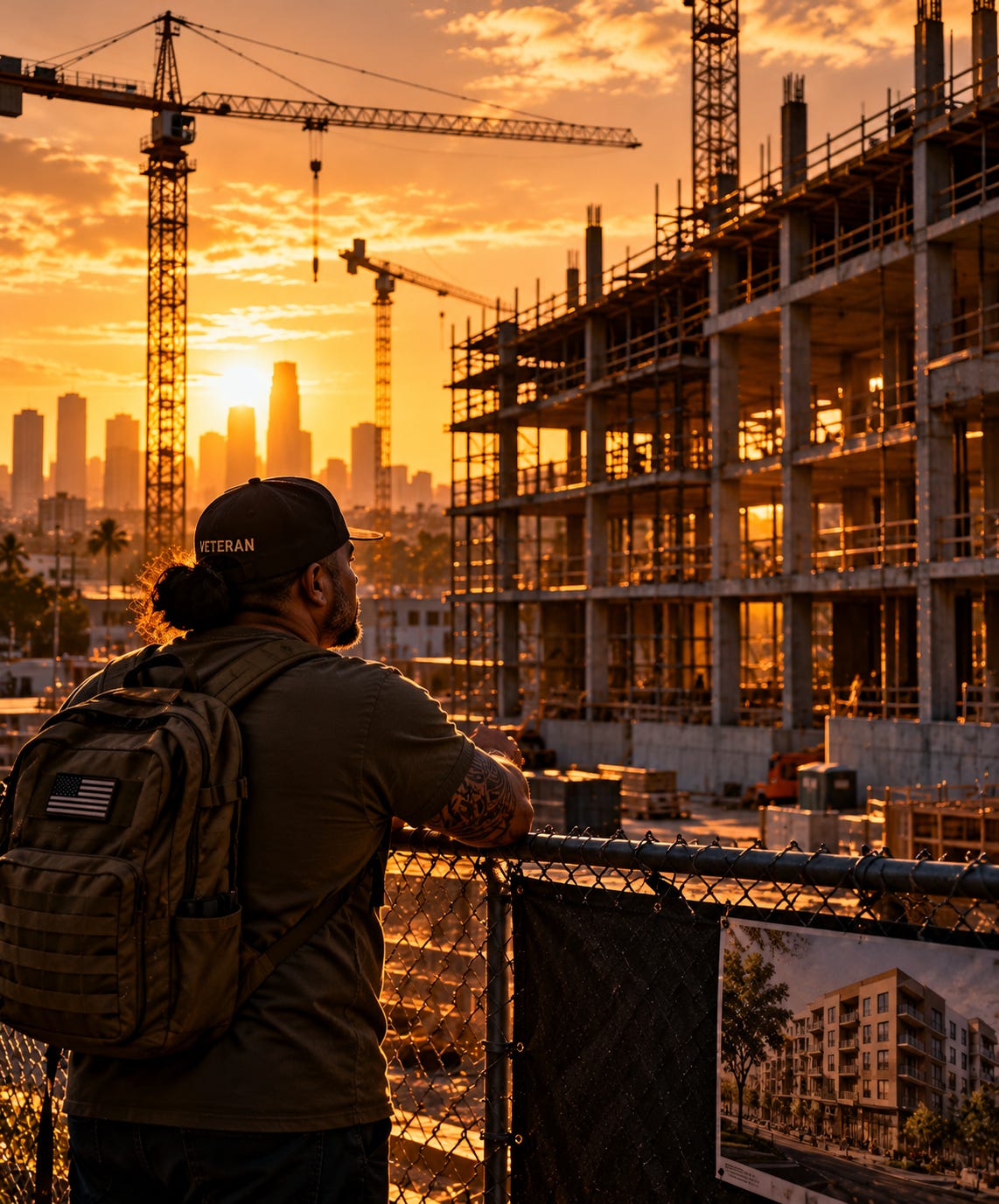
The VA’s longstanding goal is to house 1,200 veterans on its West LA campus, a target it now says it will reach by 2030. Progress has picked up: the campus had roughly 307 units in use in late 2024, and by May 2026 had grown enough to house more than 1,300 veterans, with further growth projected through the end of 2026. A federal court order has separately found veterans entitled to more than 2,500 units total on that same campus.
That gap between a promise and a finished building is the real center of the disabled veterans housing crisis: a voucher in hand means very little if there is nowhere accessible to use it. Mark Rosenbaum of Public Counsel, who represented the veterans in the lawsuit, put it plainly: the HUD change “is welcomed but years overdue… It shouldn’t take a lawsuit, and a federal judge’s ruling that found the policy to be unlawful and discriminatory, to end a cruel and insane practice.”
What You Can Do Right Now
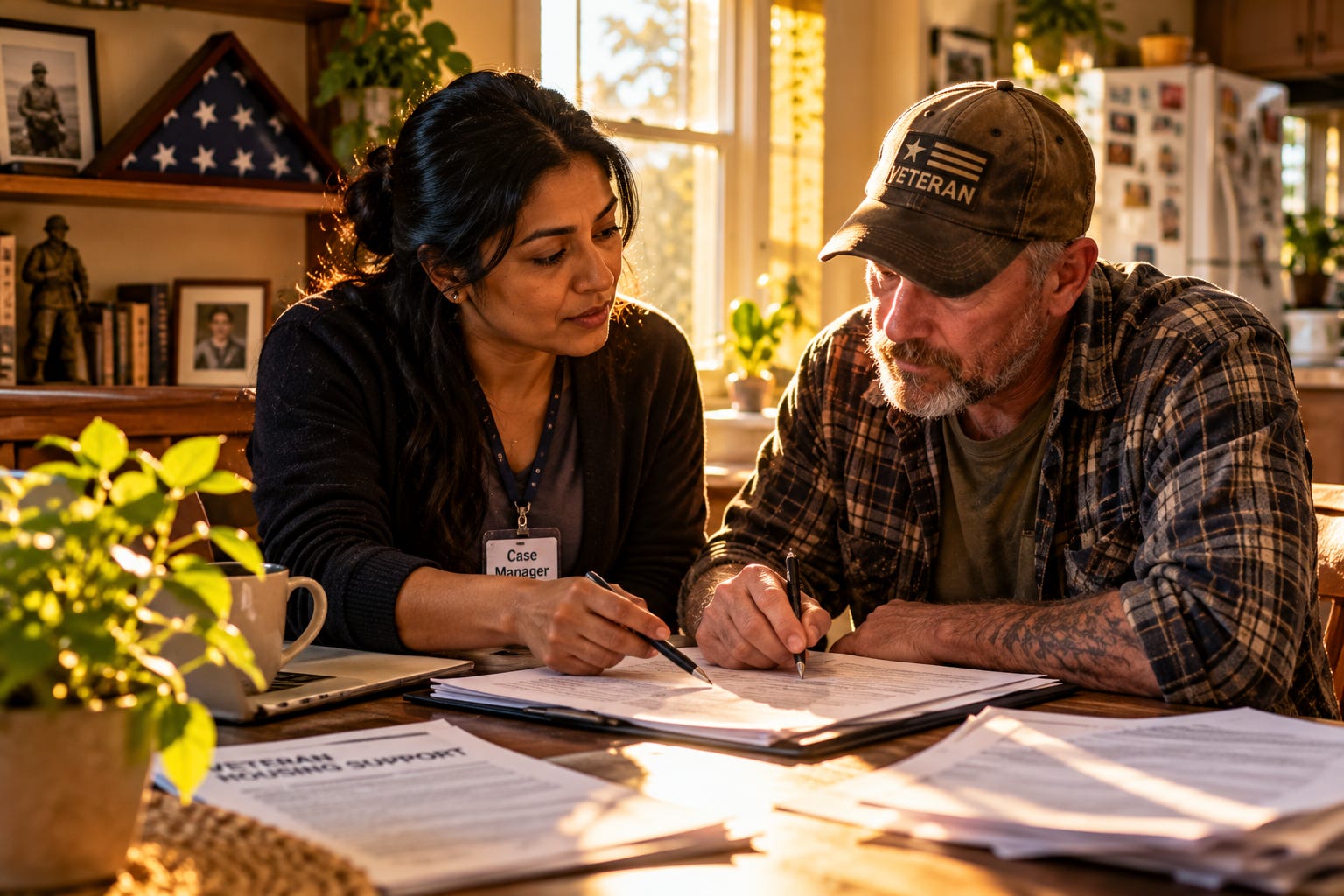
If you know a disabled veteran who has been told they make too much on paper to qualify for help, encourage them to reapply now that the disability income exclusion is in effect, since many veterans who were denied under the old rule may qualify today without realizing the policy changed. Organizations built specifically around veteran housing, like U.S.VETS and New Directions for Veterans, can walk a veteran through that process directly.

📌 You Might Also Be Interested In
They Are Not On the Street: The Hidden Homelessness Crisis in Los Angeles
Why Doesn’t Anyone Tell South LA About These LA Safe Spaces?
How Los Angeles Neighborhoods Are Being Erased One Building at a Time
📌 Community Resources
📍 U.S.VETS
Housing, employment, and mental health services for veterans transitioning out of homelessness
📍 Disabled American Veterans (DAV)
Free benefits assistance and advocacy for veterans navigating disability claims and housing barriers
📍 New Directions for Veterans
Housing, treatment, and reintegration services for Los Angeles area veterans
📍 LA Connexion
Our free community resource guide, (323) 200-9096
📌 Join LA Connexion
The disabled veterans housing crisis is not a story about veterans failing to get help, it is a story about the help arriving without enough doors behind it. Join LA Connexion and help us keep tracking those doors.
📞 (323) 200-9096
The disabled veterans housing crisis is not a story about veterans failing to get help, it is a story about the help arriving without enough doors behind it. Support LA Connexion’s reporting on stories like this by joining us here.
And if your business wants a better relationship with the community it serves, reach out. We can help make that happen: laconnexions23@gmail.com or (323) 200-9096.