


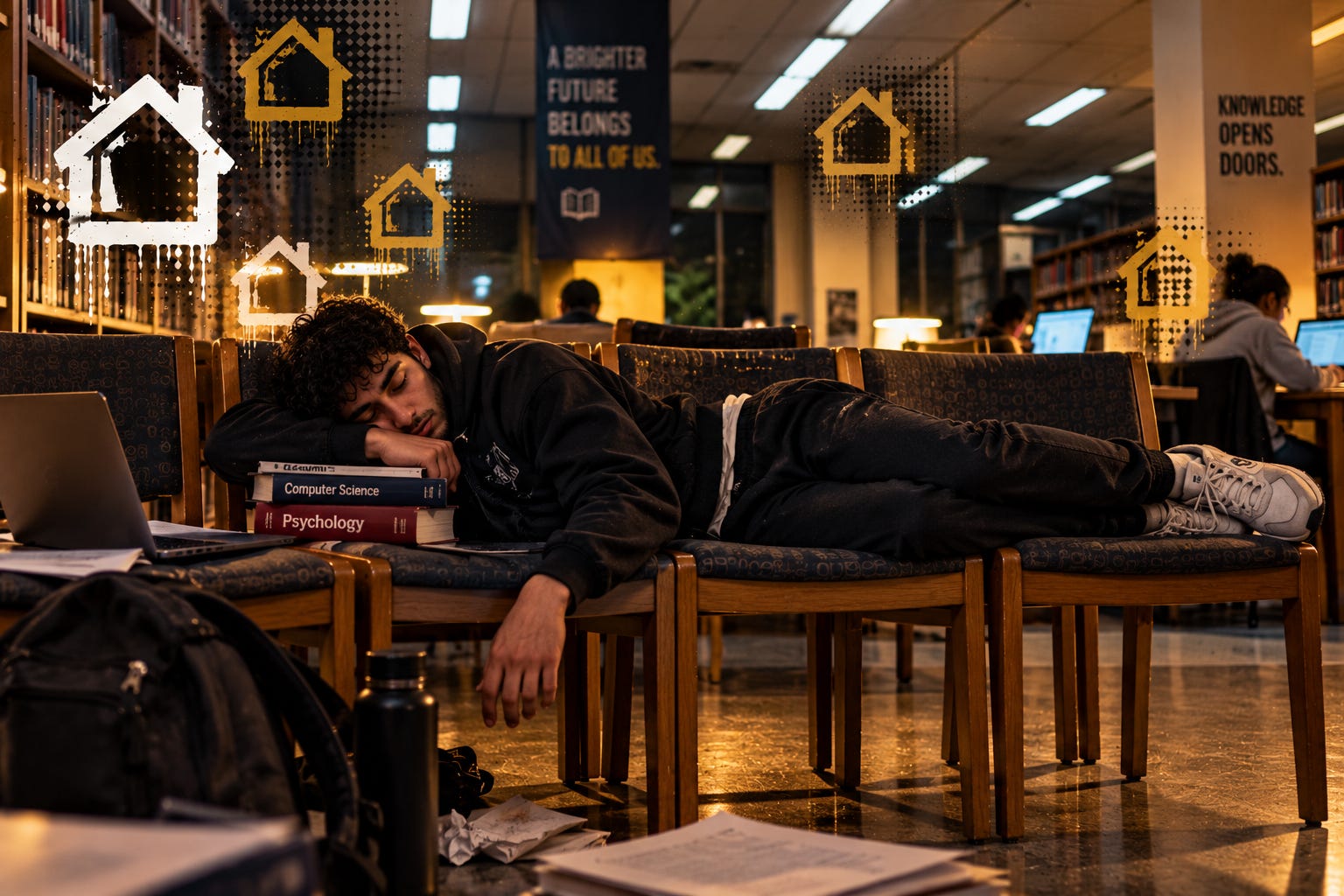
The Student Sitting Next to You Might Be Homeless Tonight
Homeless college students are sitting in classrooms all over Los Angeles right now, taking notes, raising their hands, and turning in homework, while going home at night to a car, a friend’s couch, or nowhere stable at all. California has one of the largest populations of homeless college students in the country, and most of them are invisible, because being homeless and being a student don’t look the way we expect either one to look.
IF THIS WORK MATTERS TO YOU, YOU CAN SUPPORT LA CONNEXION DIRECTLY HERE: ☕Support LA Connexion☕
How Many Homeless College Students Are There, Really
At California’s community colleges, about 1 in 5 students, 20 percent in the most recent statewide #RealCollege survey, reported experiencing homelessness within the past year, down from 24 percent in the survey before it but still enormous, according to the Community College League of California’s Real College CA basic needs research. CSU’s own systemwide study has put the figure for Cal State students at roughly 10 percent, and the University of California’s 2020 Undergraduate Experience Survey found a systemwide average of about 5.5 percent of UC students reporting homelessness, higher still at individual campuses like UC Santa Cruz. The surveys use different methods and years, so the numbers aren’t perfectly comparable, but they all point to the same reality: a meaningful share of the students sitting in any LA-area classroom may not have stable housing tonight.
The math behind it is brutal and simple. The average studio apartment in Los Angeles rents for around $1,800 a month, according to current listing data from Rentometer, a number that has nothing to do with a student’s course load and everything to do with a housing market that does not care whether you are eighteen and taking your first college class or forty and going back to finish a degree you paused years ago. Layer tuition, textbooks, transportation, and basic supplies on top of that rent, and for a huge number of homeless college students, something has to give. Too often, that something is a stable place to sleep.
A basic needs coordinator at Los Angeles Valley College described the stacking effect plainly: tuition, plus books, plus academic supplies, plus rent, plus hygiene and everything else that comes with simply being a person, and all of it becomes a barrier to finishing school. Housing is rarely the only problem homeless college students are juggling. It’s usually just the biggest one.
Why This Population Stays Hidden
Homeless college students almost never look like the image most people picture when they hear the word homeless. They show up to class on time. They participate. They might be couch surfing between three different friends’ apartments on a rotating schedule, sleeping in a car in a campus parking lot, or staying in a relationship they don’t want to be in because it comes with a roof. None of that shows up in a homelessness count, and very few professors or classmates would ever guess.
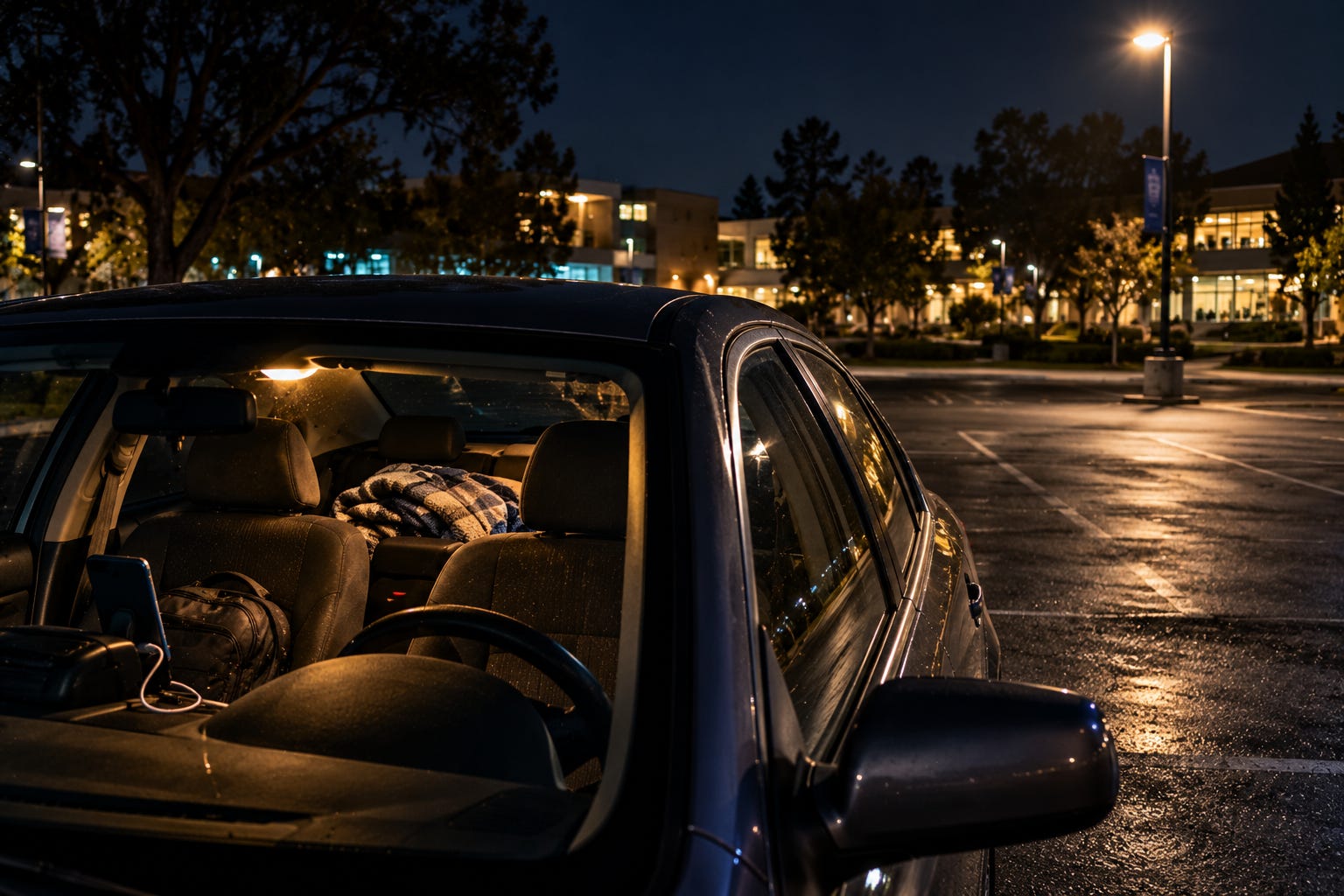
That invisibility has a cost that goes beyond an uncomfortable night’s sleep. Research cited by student support programs consistently shows that when a student’s basic needs, especially housing, are not met, attendance drops, GPA suffers, and the odds of ever finishing a degree fall sharply. Homelessness doesn’t just make college harder. For a lot of homeless college students, it is the single biggest reason they never cross the finish line, even when they were doing everything right academically.
What LA’s Colleges and Community Are Already Doing
There is real, hopeful movement here. In 2026, the Los Angeles Community College District launched a $1.5 million student housing initiative partnering with five nonprofit organizations to house more than 100 students who are experiencing homelessness or at risk of it, providing not just a bed but food, WiFi, academic tutoring, and employment assistance so students can stay enrolled and graduate. Individual campuses like Los Angeles Valley College now run their own basic needs centers built to catch students before they fall through the cracks, offering housing navigation and referrals even when they can’t provide a bed directly. Students who have gone through these programs describe the same thing: having someone in their corner before everything collapsed, rather than after, is what made finishing the semester possible.
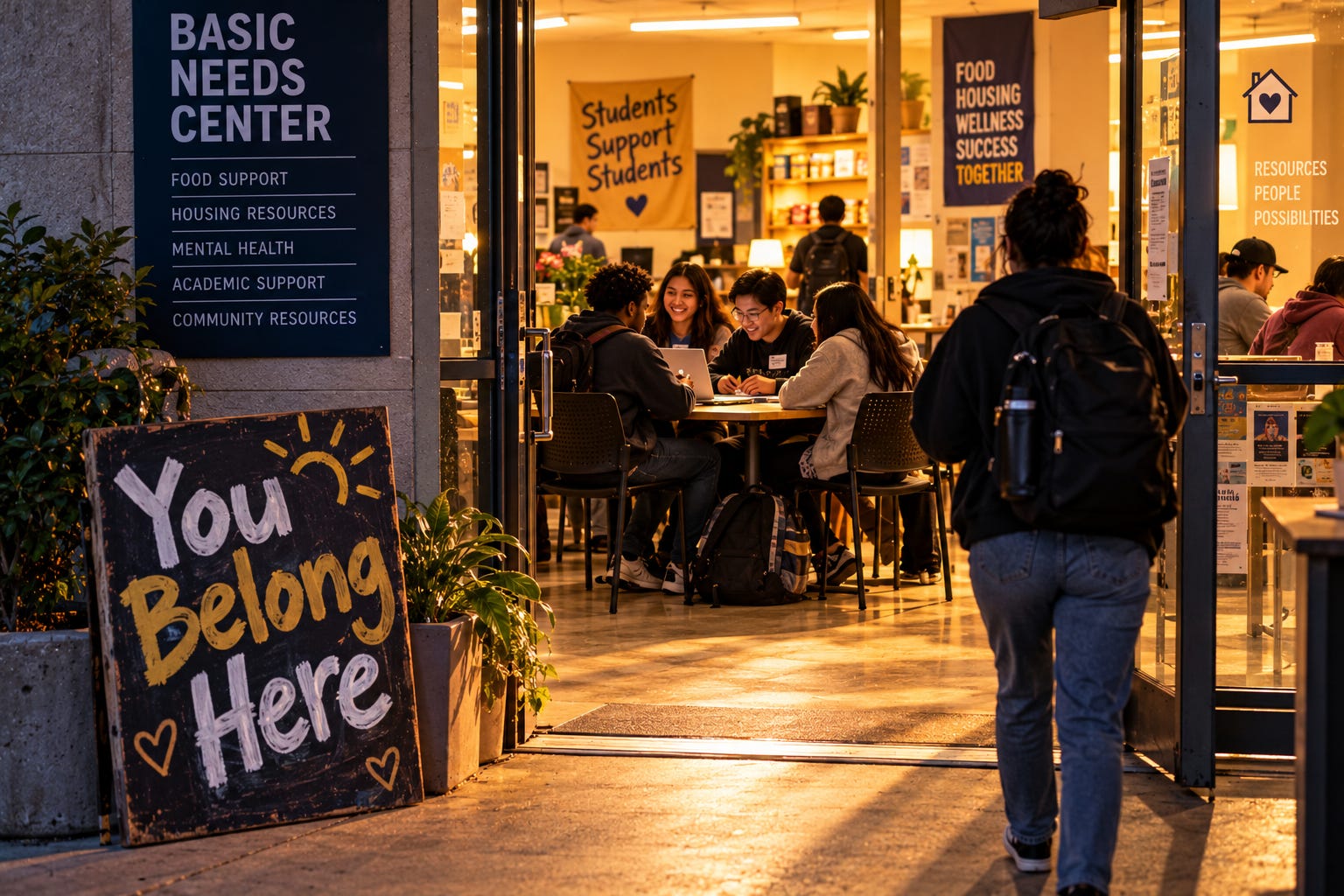
If you are a student who needs help, or you know one who might, the first and most important step is walking into your campus’s basic needs center, or asking a counselor directly what housing support exists, before things get worse. Most campuses will not know a student is struggling unless that student, or someone who cares about them, says something first. If you are not a student but want to help, organizations like LA Room & Board run transitional housing built specifically for foster and homeless college students, and the Seed House Project offers live-work housing and mentorship for transition-age youth, particularly young people aging out of foster care or the justice system. LA Connexion’s own resource guide keeps a running list of local housing supports that any Angeleno, student or not, can lean on.

📌 You Might Also Be Interested In
They Are Not On the Street: The Hidden Homelessness Crisis in Los Angeles
Why Doesn’t Anyone Tell South LA About These LA Safe Spaces?
How Los Angeles Neighborhoods Are Being Erased One Building at a Time
📌 Community Resources
📍 LA Valley College Basic Needs Center (Helping Hands)
Housing navigation, referrals, and case management for students facing homelessness or food insecurity
📍 LA Room & Board
Affordable transitional housing and support services for foster and homeless college students in Los Angeles
📍 Seed House Project
Live-work housing, mentorship, and entrepreneurial education for transition-age youth, including those aging out of foster care
📍 LA Connexion
Our free community resource guide, (323) 200-9096
📌 Join LA Connexion
The student sitting next to you in class might be living this story right now. Join LA Connexion and help us make sure homeless college students stop being invisible.
📞 (323) 200-9096
If stories about homeless college students and the hidden side of our homelessness crisis matter to you, the paid side of this Substack is what keeps LA Connexion telling them. Join us here.
And if your business wants a better relationship with the community it serves, reach out. We can help make that happen: laconnexions23@gmail.com or (323) 200-9096.