


By Gabriel Richard Jr | LA Connexion · April 25, 2026
I know what it looks like when a neighborhood starts to go. I have watched it happen from inside the neighborhood, not from a press box and not from a planning commission hearing room. You see the first coffee shop open on the block where the tortilleria used to be. You see the for-rent signs change. You see the faces change. And then you see the people you knew disappear, not because they wanted to leave, but because the math stopped working for them and there was nowhere left to argue about it.
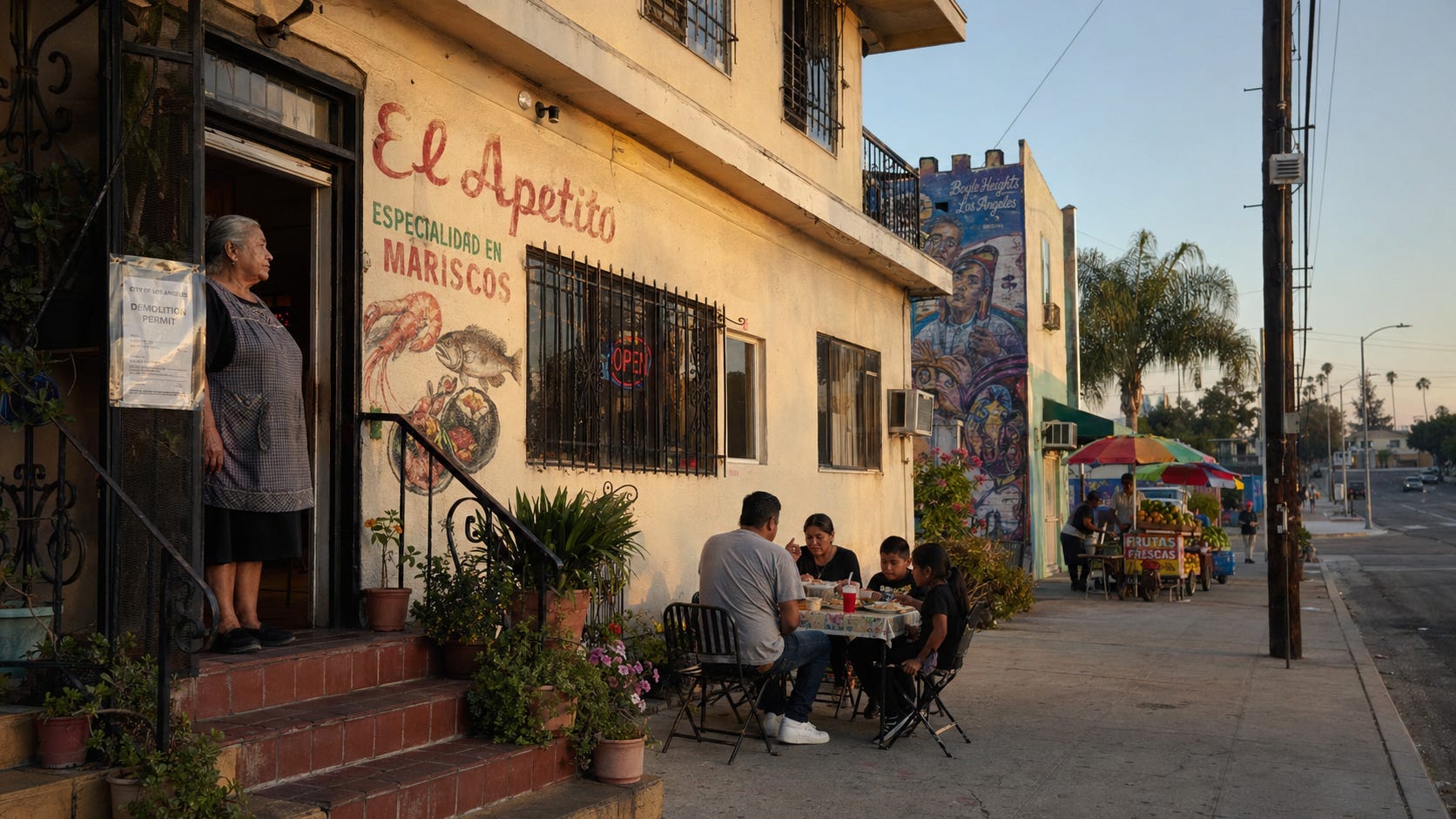
On May 28, 2025, Columba Torralba walked to a microphone in a community room in East Los Angeles and told the East Los Angeles Area Planning Commission seven words. I don’t have anywhere else to live. She was 85 years old. She had lived in the same building on East Cesar Chavez Avenue in Boyle Heights for nearly 30 years. Her income was a Social Security check. Her daughter Rosa ran El Apetito, a Mexican restaurant on the ground floor that had fed the neighborhood for 17 years. The commission approved the development anyway. On February 5, 2026, the Torralba family was evicted. The city that was supposed to protect them had already paid the developer $170,000 for the inconvenience of being temporarily blocked.
That sentence should have stopped someone. It did not. And that is why LA Connexion is telling this story. Because what happened to Columba Torralba is not a tragedy in isolation. It is a pattern. And the pattern has a name.
This Is Not a New Story
What happened to the Torralba family has happened before. It happened in Echo Park. It happened in Silver Lake and Highland Park. Each of those neighborhoods was once affordable. Each of them changed. And when they changed, the people who could not afford the new prices moved further east and further north, to the next neighborhood that still had room for them.
Boyle Heights was that next neighborhood. It absorbed the displaced. It held the community that the westside and the mid-city could no longer afford to house. And now Boyle Heights is changing too, and the people who moved there when they had nowhere else to go are being told again that they have to move.
The UCLA Urban Displacement Project maps every census tract in Los Angeles County by its risk of gentrification. Their data shows that 10 percent of all tracts in LA County are already in some phase of gentrification or displacement. In Boyle Heights, the colors on the map have already shifted. The future has already arrived. The map just shows it before the eviction notices do.
Silicon Beach and the Neighborhoods That Paid For It
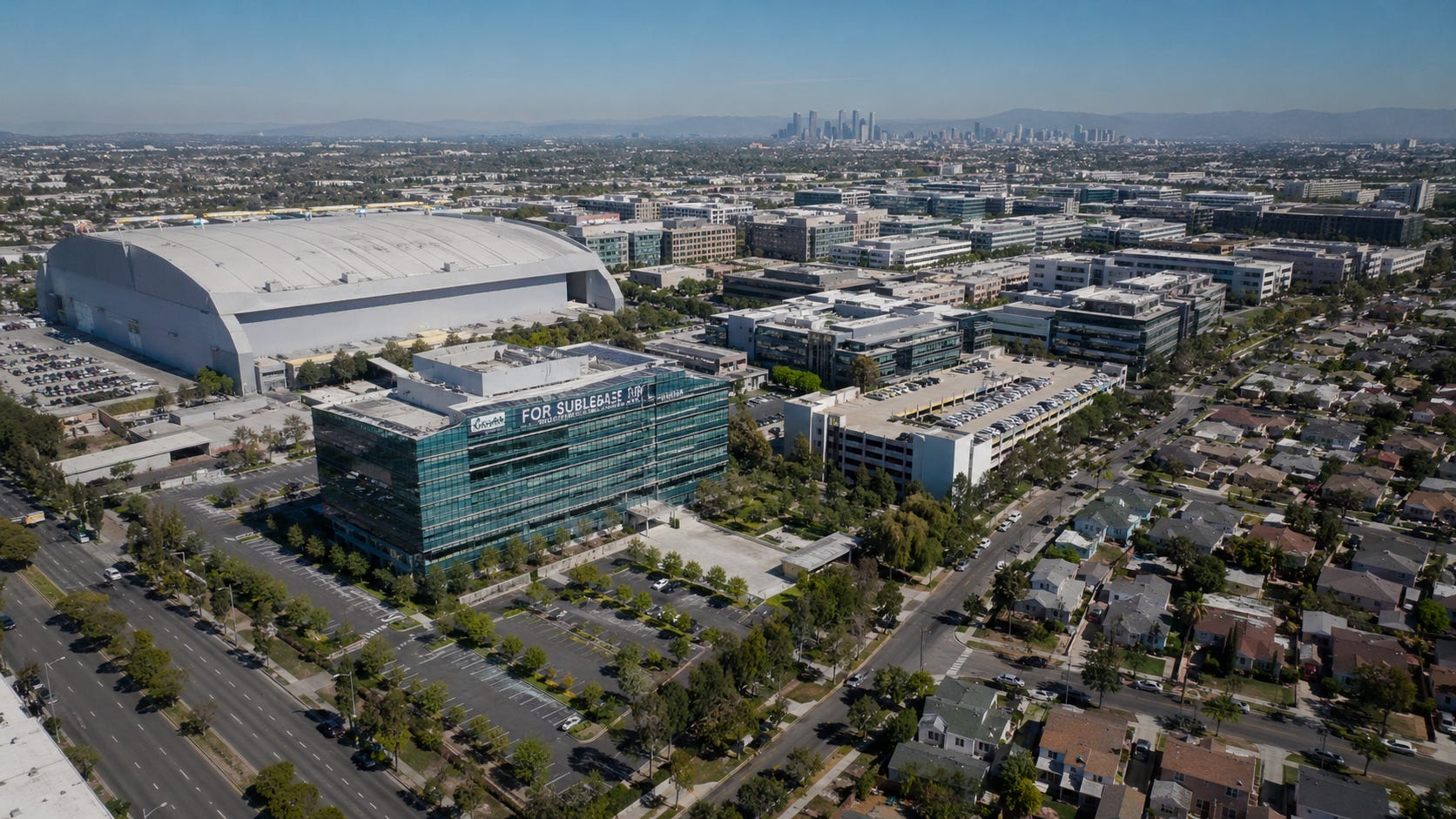
When Google moved into Venice in the early 2010s and YouTube opened its studio in the old Spruce Goose hangar in Playa Vista, city leaders celebrated. Silicon Beach was declared the future of the Los Angeles economy. The press releases did not mention Oakwood.
Oakwood is the historically African American neighborhood inside Venice. It watched home prices surge as tech workers arrived. The long-time businesses that defined the neighborhood closed because the rents followed the new residents. Families who had been in Venice for generations found they could no longer afford to stay.
By 2024, the Silicon Beach dream had lost its momentum. Meta listed half its Playa Vista office space for sublease. Google backed out of a 14-year lease commitment. The companies moved on. The communities that had been displaced did not get their neighborhoods back. That is the transaction nobody puts in the press release. The tech company leaves when it is convenient. The neighborhood stays displaced regardless.
The Research Is Clear About Who Loses
The academic research on tech-driven gentrification is not ambiguous. When a high-tech firm moves into a neighborhood, economic stimulus is real. Jobs are created, property values rise, other businesses follow. But the benefits do not distribute equally.
Residents without college degrees experience the rising cost of living that comes with a tech firm’s arrival without the wage increases that accompany it. They pay more in rent. They do not earn more at work. And when they can no longer afford to stay, they do not move to a neighborhood with comparable opportunity. Research shows they move to areas with lower home values, lower average incomes, and diminished upward mobility for their children.
The community absorbs the cost of a progress it was never invited to share. And when you ask who benefited, the answer is rarely the people who were already there.
The Fires Opened Another Door
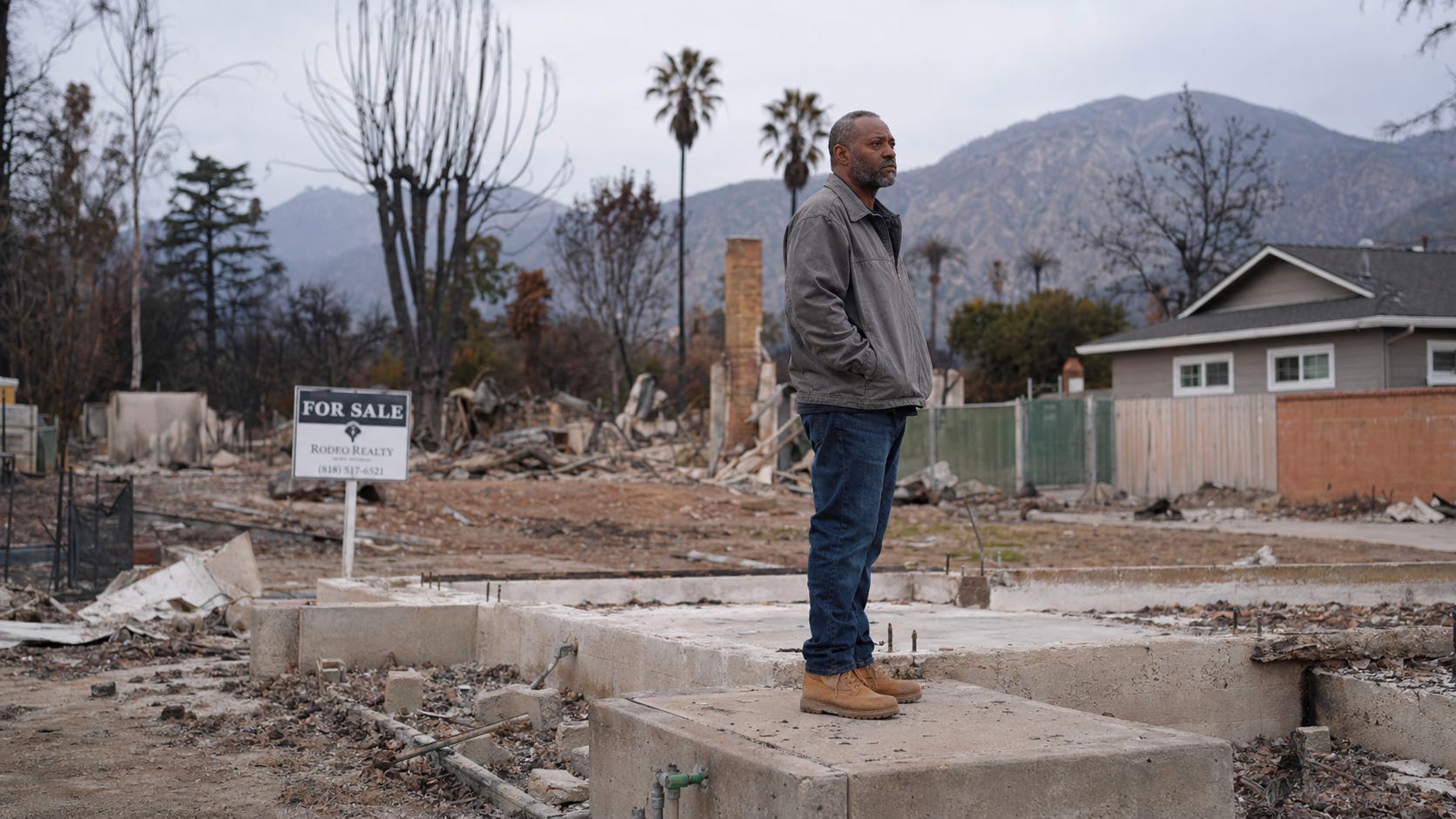
In January 2025, the wildfires that tore through Altadena and the Pacific Palisades killed 31 people and destroyed more than 15,000 structures. Over 100,000 residents were displaced overnight. And before the smoke had fully cleared, the investors were already watching.
In Altadena, where nearly 80 percent of Black residents owned their homes before the fires, studies show that Black and Asian homeowners are the least likely to have begun rebuilding. Concerns about outside investors purchasing fire-damaged lots have grown steadily. Only about 15 percent of destroyed homes across the fire zones have received permits to rebuild. The obstacles are insurance delays, permitting complications, and the rising cost of labor and materials in a post-disaster market.
A neighborhood does not need a tech company to be gentrified. Sometimes a disaster is enough to open the door. And once that door is open, the economics of who can afford to walk back through it decide everything.
The Law Changed the Rules in the Developer’s Favor
When the East Los Angeles Area Planning Commission initially voted to block Tiao Properties’ Boyle Heights project, they cited concerns that the development could lead to gentrification harmful to the public health of existing residents. That sounded like protection. It was not.
Tiao Properties sued the city. Their argument was built on the Housing Accountability Act, a California state law designed to address the housing shortage by limiting local government’s ability to deny housing proposals. The law only allows denials based on specific adverse impacts to public health and safety, hazardous materials, poor air quality, that kind of thing. Gentrification, the court agreed, does not meet that legal standard.
The court ordered the commission to approve the project. The city settled the lawsuit with Tiao for more than $170,000. Then the eviction notices went out. What this means in plain language is that in California in 2026, there is no law that protects a community from being economically displaced from its own neighborhood. That is not speculation. That is the documented outcome of a real case on a real street in Boyle Heights.
The Corner Store Becomes a Starbucks. The Family Next Door Gets Evicted.
There is a detail from the displacement research that needs to be said plainly. The visible signs of gentrification attract attention. A coffee shop replacing a corner store gets photographed. An art gallery opening where a laundromat used to be becomes a neighborhood debate. But the family evicted from the apartment upstairs does not make the news.
Research on gentrification notes that rising rents bring painful and costly disruptions that are overshadowed in popular consciousness by the aesthetics of neighborhood change. A local corner store becoming something else is a recognizable symbol. A family of renters being forced out is not. Only one of those is the actual cost of progress. The other one is the story that gets written about it.
LA Connexion is trying to write the other story.
What Comes Next
The Torralba family is gone from Boyle Heights. El Apetito is being demolished. The six-story building that replaces it will have 50 units, five of them set aside as affordable housing, and the rest at market rate. The developer bought the property for $2.1 million in 2020. Whatever it is worth now is not something Columba Torralba benefited from.
LA Connexion is going to keep following this story. Not just this building. The pattern. The neighborhoods still on the displacement map that do not yet know what is coming. The communities that are being told their objections do not meet the legal standard for protection.
If you live in a neighborhood that is changing and you want to tell your story, we want to hear it. If you know someone like Columba Torralba who is being pushed out of a home they have lived in for decades, their story deserves to be told by someone who understands what it costs to stay.
The city calls it progress. The people who get displaced call it what it is.
Community Impact · Los Angeles Gentrification 2025-2026
🏚 Boyle Heights: On February 5, 2026, Columba Torralba, 85, was evicted from her home of 30 years. The city paid the developer $170,000 after being blocked. El Apetito restaurant is being demolished.
🏖 Silicon Beach: Meta listed half its Playa Vista office for sublease. Google backed out of a 14-year lease. The neighborhoods that paid the price of their arrival did not get their communities back.
🔥 Altadena: Black homeowners are the least likely to have begun rebuilding after the January 2025 fires. Outside investors are purchasing fire-damaged lots as residents struggle to return.
🗺 UCLA Data: 10 percent of all census tracts in LA County are already in some phase of gentrification or displacement. In Boyle Heights, the risk classifications have already shifted.
⚖ The Law: California’s Housing Accountability Act currently provides no legal protection for a community facing economic displacement. Gentrification does not meet the legal standard for denial.
Action Resources
🗺 UCLA Urban Displacement Project: Interactive map of every LA census tract by displacement risk. Visit urbandisplacement.org to find your neighborhood.
📋 California Tenant Rights: If you receive an eviction notice, contact Bet Tzedek Legal Services at (323) 939-0506 or Inner City Law Center at (213) 891-2880.
🏘 Boyle Heights Community Power Collective: Community organizing against displacement. Connect through the Boyle Heights Neighborhood Council.
📞 211 LA: Housing assistance, emergency resources, tenant services. Call 211. Available 24/7.
📰 Boyle Heights Beat: Community journalism covering the Tiao Properties case and Boyle Heights news. Visit boyleheightsbeat.com.
LA Connexion · Community Contact
📰 LA Connexion: Community journalism from inside Los Angeles. www.lacxn.com
✉ Email: LaConnexions23@gmail.com
📞 Phone: (424) 229-2217
🌐 WIN University Online: Digital skills. www.WIN.university
LA Connexion | www.lacxn.com | LaConnexions23@gmail.com | (424) 229-2217