


When Family Finds Out Who You Really Are and Can’t Accept It
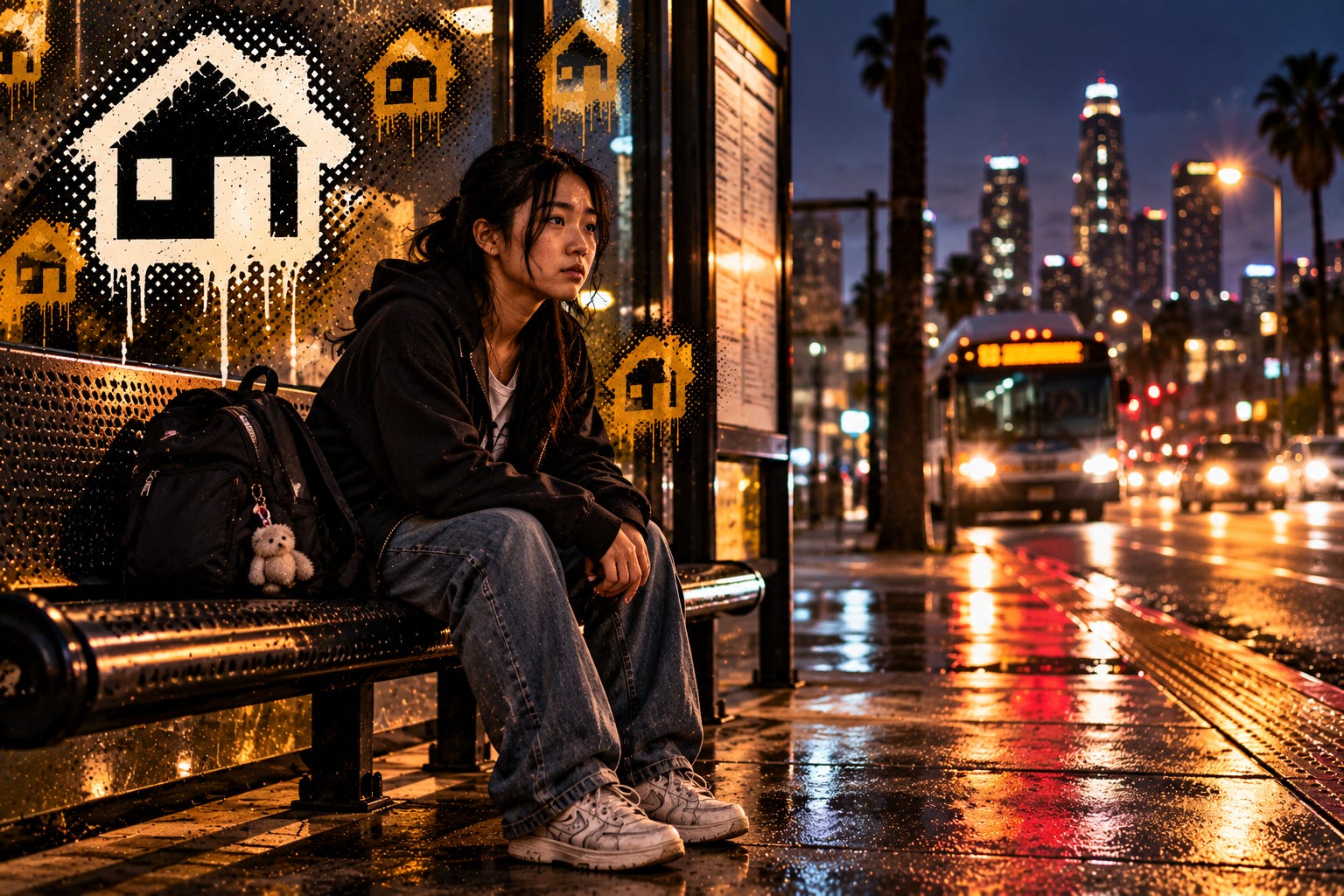
Somewhere in Los Angeles tonight, a teenager is sleeping on a friend’s couch, in a car, or on a train that just keeps moving, not because their family fell on hard times, but because their family found out who they really are and could not accept it. This is LGBTQ+ youth homelessness, and it is one of the most hidden and painful branches of the homelessness crisis in our city.
IF THIS WORK MATTERS TO YOU, YOU CAN SUPPORT LA CONNEXION DIRECTLY HERE: ☕Support LA Connexion☕
The LGBTQ+ Youth Homelessness Numbers Los Angeles Doesn’t Talk About
Nationally, research from Covenant House California shows that 28 percent of all LGBTQ+ young people report experiencing homelessness or housing instability, and LGBTQ+ youth have a 120 percent higher risk of experiencing homelessness than their peers. At Covenant House California’s own doors, about 30 percent of the youth who come to them identify as LGBTQ+, in a city and state where LGBTQ+ people are nowhere near 30 percent of the youth population.
The math tells the story before any single teenager does. LGBTQ+ youth homelessness is not a small side issue inside the larger homelessness crisis. It is one of the biggest drivers of it, hiding in plain sight because so much of it never shows up in an official count. A kid sleeping at a friend’s house for a few nights, then another friend’s house, then a stranger’s couch they met through someone else, is not standing on a sidewalk with a sign. They are invisible to a windshield survey, but they are still homeless.
The root cause shows up again and again in research and in the stories case workers hear every day: family conflict over a young person’s gender identity, gender expression, or sexual orientation. A teenager comes out, or is outed before they are ready, and the response at home is rejection instead of love. Some are told to leave outright. Others simply understand, without being told in words, that they are no longer safe or wanted, and they leave on their own before things get worse.
What Happens After the Door Closes
Once a young person becomes homeless because of LGBTQ+ youth homelessness, the danger does not stop at losing a bedroom. Case workers and national research both point to the same hard truths: LGBTQ+ homeless youth face higher rates of physical assault, are more vulnerable to sexual exploitation and trafficking, and are more likely to experience discrimination even inside the very shelters and programs meant to help them. Some avoid shelters entirely because they fear being misgendered, harassed, or turned away, so they choose the street or a stranger’s couch over a system that has not always been built with them in mind.

The mental health toll is severe. Rejected by the people who were supposed to protect them, LGBTQ+ homeless youth report higher rates of depression, anxiety, and self-harm than their housed peers. And because so much of this population moves between temporary situations instead of the street itself, they rarely appear in official homelessness counts, which means the systems designed to respond to this crisis often underestimate how big it really is. That undercount matters, because funding and outreach follow the numbers, and if the numbers are wrong, the help does not reach the kids who need it.
What LA Can Actually Do About LGBTQ+ Youth Homelessness
The good news is that Los Angeles already has organizations built specifically for this population, and they are proven, trauma-informed, and effective. Covenant House California is one of the largest, offering emergency shelter, transitional housing, education support, job training, and counseling designed to welcome LGBTQ+ young people safely and without judgment. True Colors United, a national organization founded to end LGBTQ+ youth homelessness, also trains local providers across the country, including here in LA, to serve this population without discrimination.
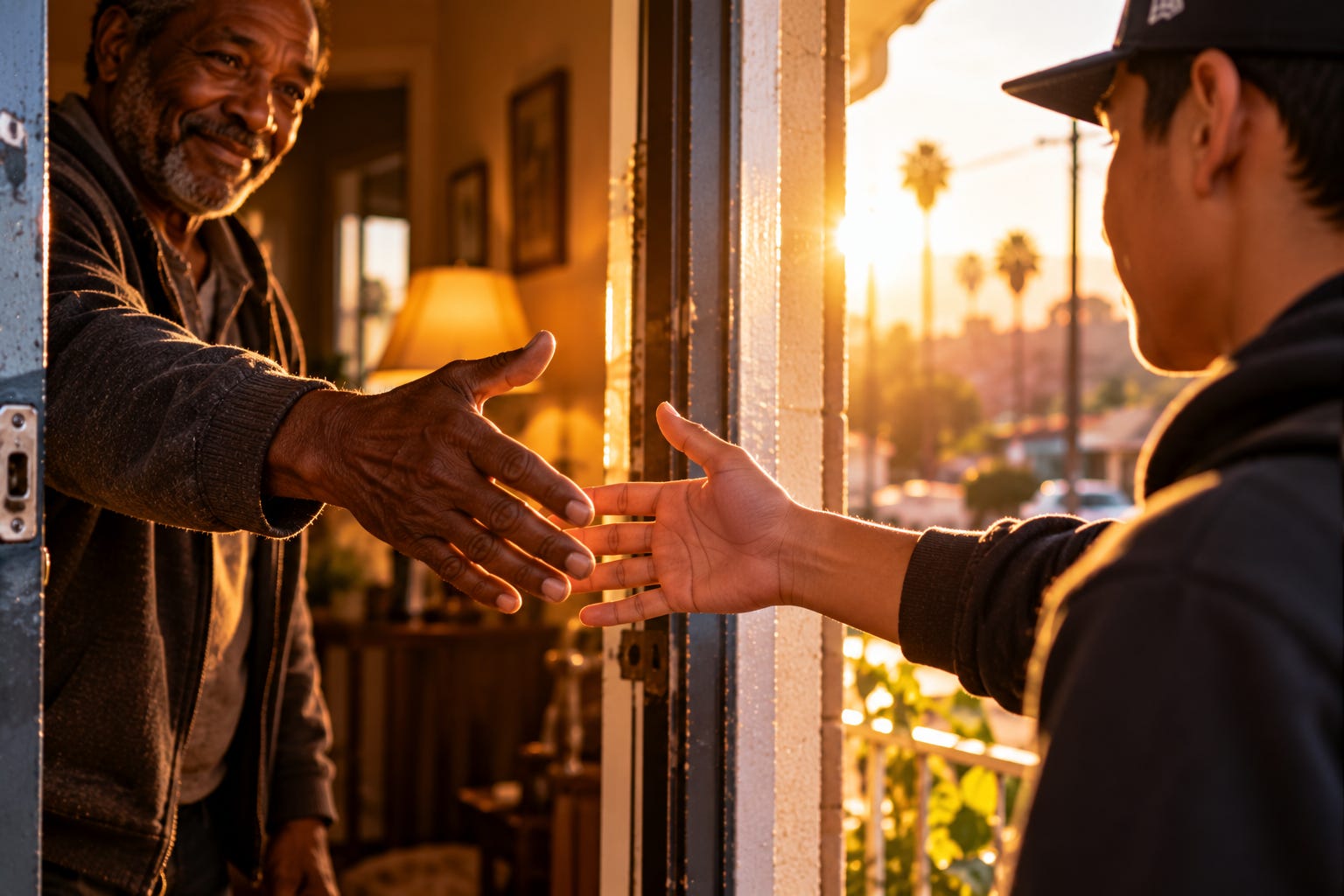
The single most effective thing any of us can do right now costs nothing: if a young person in your life comes out to you, respond with love, not rejection. Family acceptance is the single biggest protective factor against LGBTQ+ youth homelessness that exists, more powerful than any shelter bed or government program. If you are a parent, grandparent, aunt, uncle, coach, or pastor and a young person trusts you enough to tell you who they are, that trust is the whole ballgame. Choose to keep them home. If you know a young person who has already been pushed out, the fastest next step is connecting them with Covenant House California’s crisis line or LA Connexion’s own community resource guide, so they know their options before another night on a couch turns into another year on the street.

📌 You Might Also Be Interested In
They Are Not On the Street: The Hidden Homelessness Crisis in Los Angeles
Why Doesn’t Anyone Tell South LA About These LA Safe Spaces?
How Los Angeles Neighborhoods Are Being Erased One Building at a Time
📌 Community Resources
📍 Covenant House California
1-800-388-3888, emergency shelter, transitional housing, and trauma-informed services for LGBTQ+ and all homeless youth
📍 True Colors United
National organization and training resource focused specifically on ending LGBTQ+ youth homelessness
📍 The Trevor Project
1-866-488-7386, crisis intervention and suicide prevention for LGBTQ+ young people, available 24/7
📍 LA Connexion
Our free community resource guide, (323) 200-9096
📌 Join LA Connexion
Every young person deserves a home that sees them and keeps them anyway. Join LA Connexion and help us make sure LGBTQ+ youth homelessness stops being the crisis nobody talks about.
📞 (323) 200-9096
If a story like this one matters to you, the paid side of this Substack is what keeps LA Connexion digging into stories like LGBTQ+ youth homelessness instead of letting them stay hidden. Join here.
And if your business wants a better relationship with the community it serves, reach out. We can help make that happen: laconnexions23@gmail.com or (323) 200-9096.