


Los Angeles Is Winning the Fight on Veteran Homelessness. Some Veterans Still Never Get Counted.
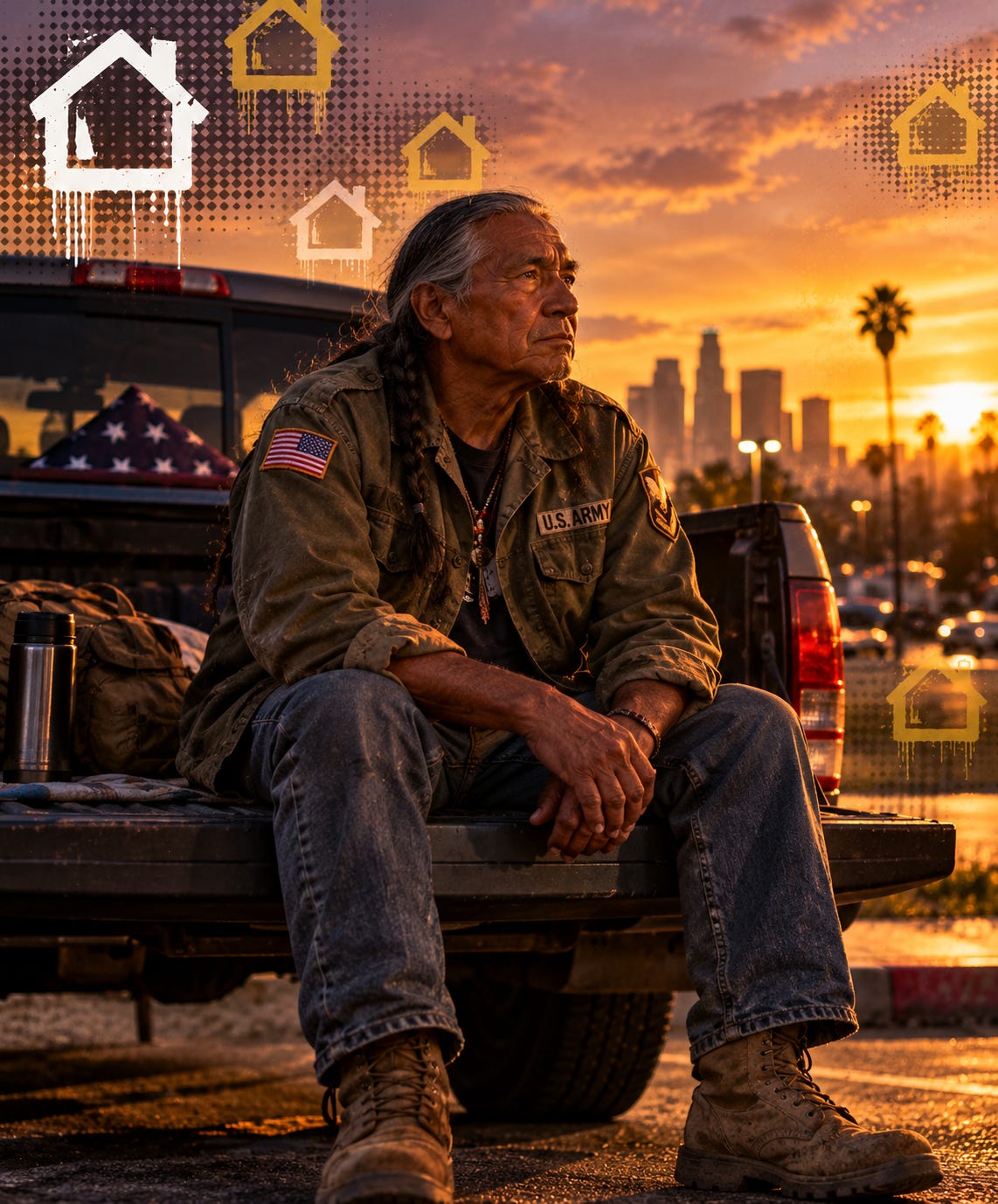
Los Angeles is often celebrated as a national success story on veteran homelessness, and in many real ways it has earned that reputation. But behind the record numbers being celebrated, there is a version of hidden veteran homelessness that the official statistics were never built to capture: veterans who never call the VA, never show up at a shelter, and never get counted at all.
IF THIS WORK MATTERS TO YOU, YOU CAN SUPPORT LA CONNEXION DIRECTLY HERE: ☕Support LA Connexion☕
The Real Progress, and Its Limits
The numbers on paper have been genuinely good news. The January 2024 count found 2,991 veterans experiencing homelessness in LA County, the lowest level since 2016 and a 23 percent drop from the year before, according to the VA Greater Los Angeles Healthcare System. The VA permanently housed 1,854 veterans in the Los Angeles region in fiscal year 2024, more than any other city in the country for the third consecutive year, and more than 300 new housing units have opened on the West LA VA campus and around the county, with hundreds more under construction.
But the most recent count tells a more complicated story. When the 2025 Point in Time numbers came out, the veteran homelessness count had actually ticked up 2 percent, to 3,050, according to reporting from Spectrum News 1. It is still roughly 20 percent below 2023’s count, so the long-term trend is still real progress, not a reversal. But it is also a reminder that a single night’s count can move in either direction, and that hidden veteran homelessness, the part of the problem a Point in Time Count structurally cannot see, does not move in a straight line just because the official number does.
Why Some Veterans Never Get Counted
Hidden veteran homelessness shows up in patterns that never make it into an official tally. Some veterans, especially older veterans and women veterans, avoid VA services entirely out of a mix of pride, past negative experiences with the system, or simply not identifying with the word “homeless” even while sleeping in a car or bouncing between relatives’ homes. Others distrust institutions after difficult discharges or delayed benefits claims, and choose to tough it out alone rather than ask an agency they no longer trust for help. USC social work professor Benjamin Henwood, who studies these counts, has also pointed out a complicating wrinkle in the other direction: some people who are counted report being veterans when they are not, which means the real picture is messier than any single number can capture.
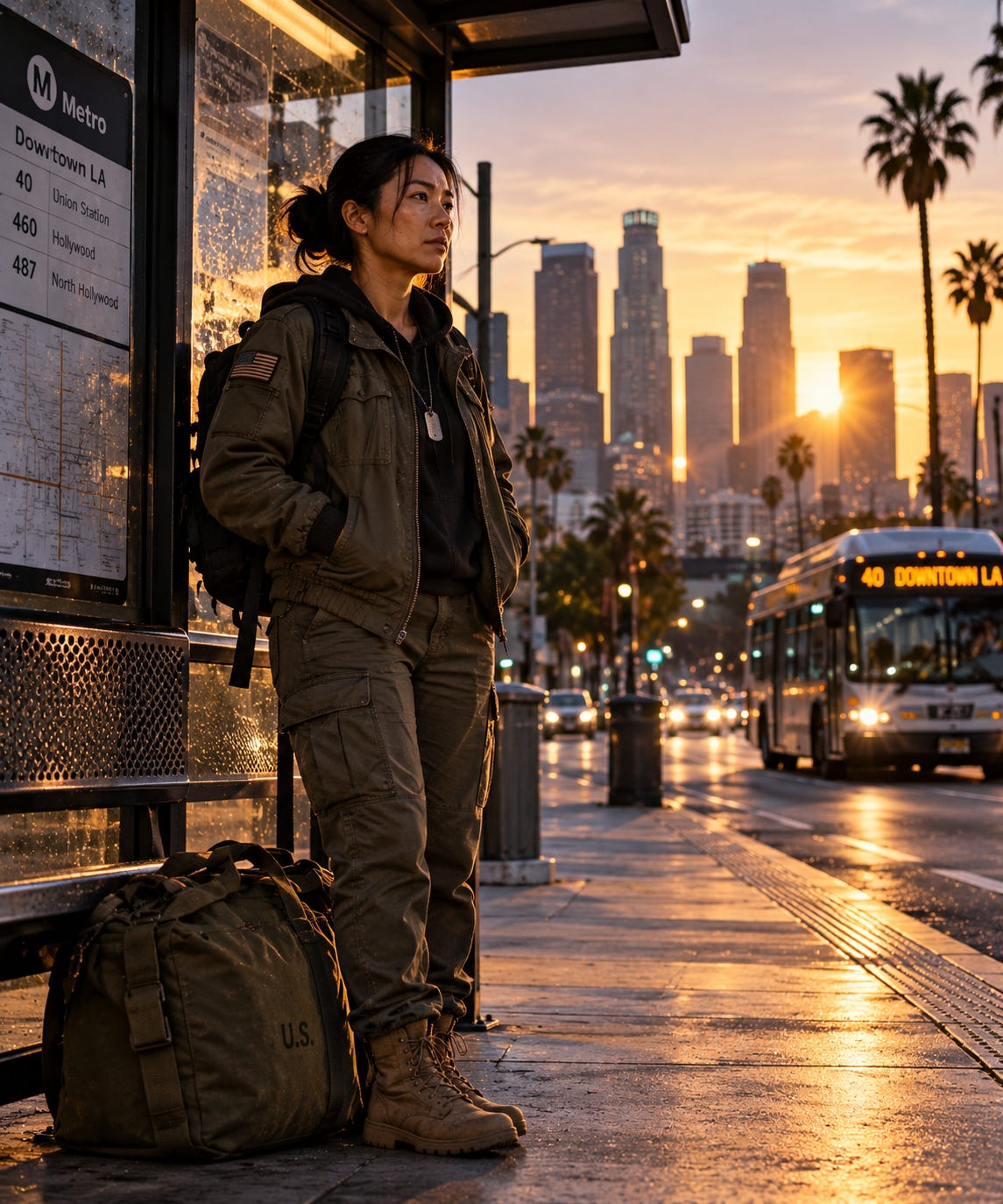
Women veterans are a particularly overlooked slice of hidden veteran homelessness. They are one of the fastest growing groups within the veteran population overall, and research consistently shows they are less likely to seek help through traditional VA channels, often because those systems were built around a much older, almost entirely male veteran population and can still feel unwelcoming or unsafe to navigate. A veteran who doesn’t feel seen by the system that’s supposed to serve her simply won’t walk through its door, and she disappears from every chart measuring the problem.
What Actually Closes the Gap
The programs already working in Los Angeles, the joint outreach initiative between the city, county, and VA that focuses on direct, face-to-face contact rather than waiting for veterans to come in, are the model for reaching hidden veteran homelessness too. VAGLAHS Medical Center Director Robert Merchant said it plainly when the VA announced the FY2024 housing numbers: “For 1,854 Veterans, life has fundamentally changed.” Outreach has to go to veterans where they actually are, not just where the system expects them to show up.
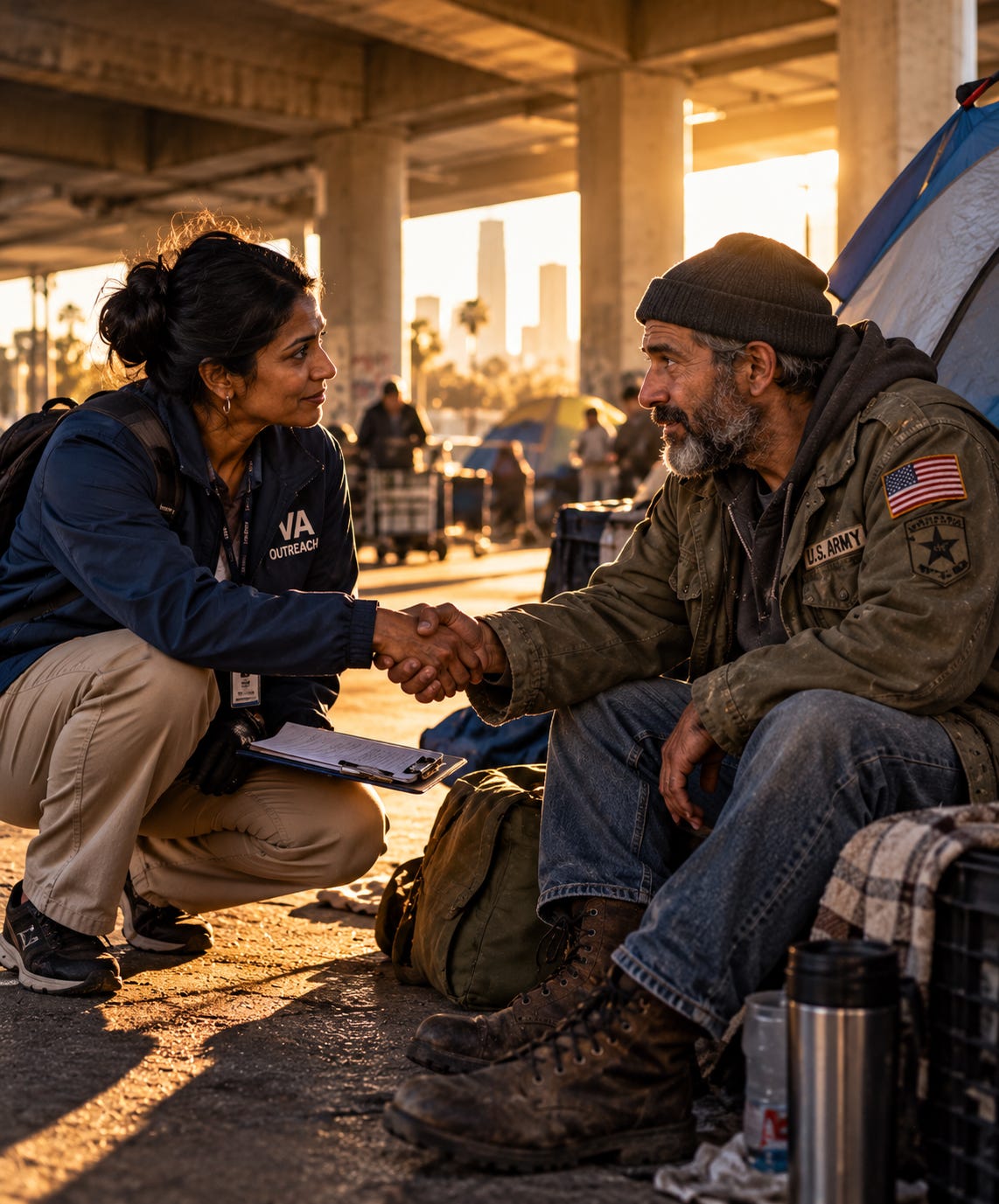
If you know a veteran who might be struggling with housing but hasn’t reached out for help, the most effective thing you can do is make a direct, personal connection to the VA Greater Los Angeles Healthcare System or a trusted local veteran service organization, rather than assuming they already know their options or will ask on their own. Pride and distrust keep a lot of veterans invisible, and a single trusted person making an introduction can be the thing that finally breaks through where an official campaign or a hotline number never could.

📌 You Might Also Be Interested In
They Are Not On the Street: The Hidden Homelessness Crisis in Los Angeles
Why Doesn’t Anyone Tell South LA About These LA Safe Spaces?
How Los Angeles Neighborhoods Are Being Erased One Building at a Time
📌 Community Resources
📍 VA Greater Los Angeles Healthcare System
va.gov/greater-los-angeles-health-care
Temporary Housing Hotline (310) 268-3350 (Mon-Fri, 7:30am-4pm); 24/7 national Veteran homeless hotline 1-877-424-3838
📍 U.S.VETS
Housing, employment, and mental health services built specifically for veterans in Los Angeles
📍 Volunteers of America Los Angeles Veteran Services
Transitional and permanent housing programs for veterans, including women veterans
📍 LA Connexion
Our free community resource guide, (323) 200-9096
📌 Join LA Connexion
Behind every record-low number is a veteran the count still can’t see. Join LA Connexion and help us make sure they aren’t forgotten.
📞 (323) 200-9096
Behind every record low number is a veteran the count still can’t see. If stories like this matter to you, support LA Connexion’s work by joining us here.
And if your business wants a better relationship with the community it serves, including the veterans quietly rebuilding within it, reach out. We can help make that happen: laconnexions23@gmail.com or (323) 200-9096.