


The Question Every Aging Parent Asks, and LA Has No Real Answer For
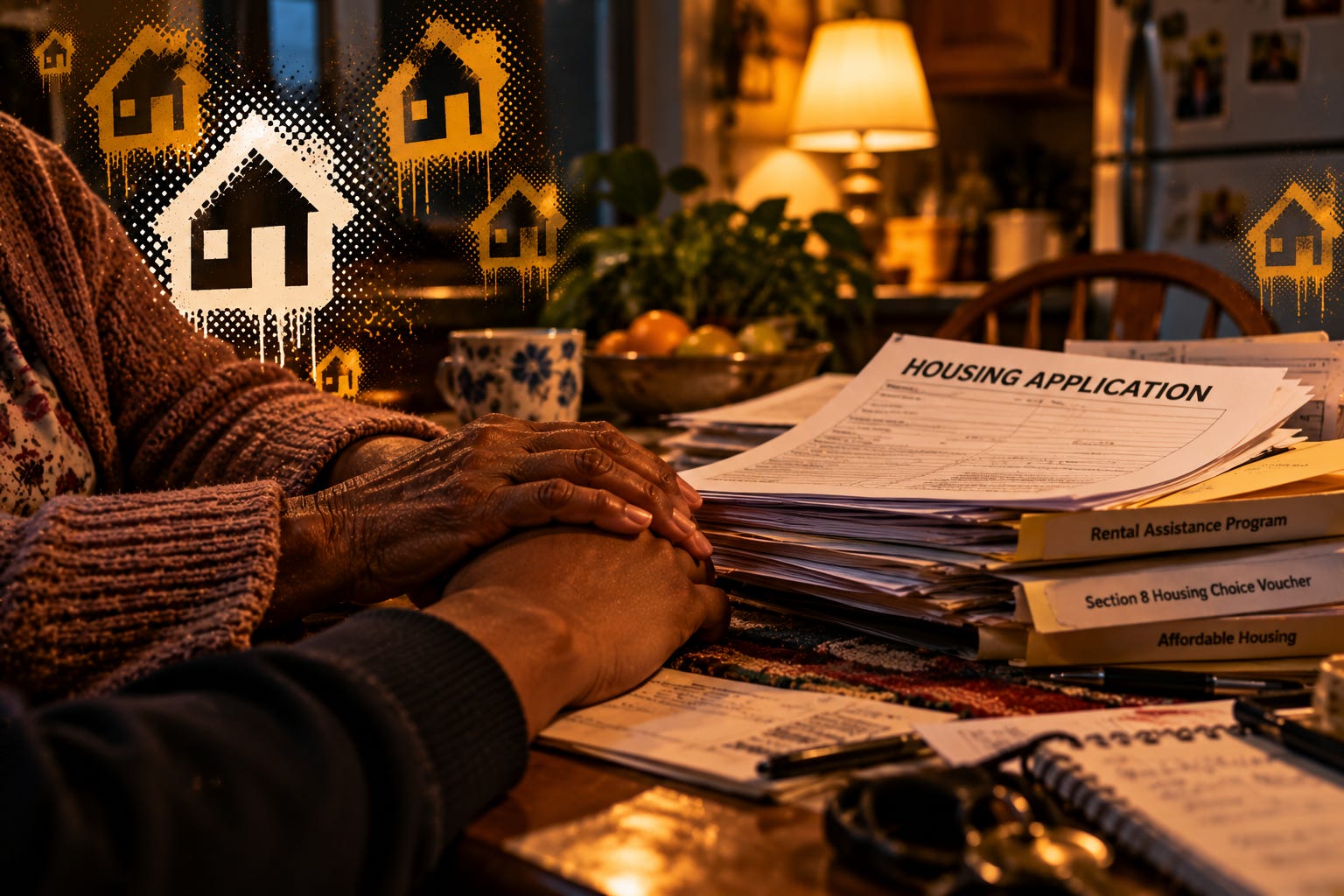
Every parent raising a child with an intellectual or developmental disability eventually asks the same quiet, terrifying question: what happens to my child when I am gone, or simply too old to keep up? Housing for adults with disabilities in Los Angeles has not kept pace with this need, and right now, most families have no real answer to that question at all.
IF THIS WORK MATTERS TO YOU, YOU CAN SUPPORT LA CONNEXION DIRECTLY HERE: ☕Support LA Connexion☕
A Crisis Hiding Inside Family Homes
California’s developmental services system now supports roughly 487,000 people statewide, nearly triple the number it served in 2000, according to the California Department of Developmental Services. That growth has outpaced the housing built to go along with it. The California State Council on Developmental Disabilities has found that many adults with intellectual or developmental disabilities continue living with family well into adulthood, often for decades past when their peers move out, not necessarily by choice, but because so few other stable options exist.
More than 70,000 teenagers with intellectual or developmental disabilities reach adulthood every year nationwide, aging out of school-based services all at once, right as housing for adults with disabilities becomes their family’s most urgent and least supported problem.
Why the Math Never Works Out
Most adults in this situation rely on SSI and SSP benefits as their only income. As of January 2026, the combined SSI/SSP payment for an aged or disabled individual living in their own household in California is $1,233.94 a month, according to the California Department of Health Care Services. A widely used standard defines affordable housing as costing no more than 30 percent of a person’s income, which works out to roughly $370 a month. Almost no apartment in Los Angeles rents for that price, and even units labeled “affordable” typically require a qualifying income two to three times higher than that.
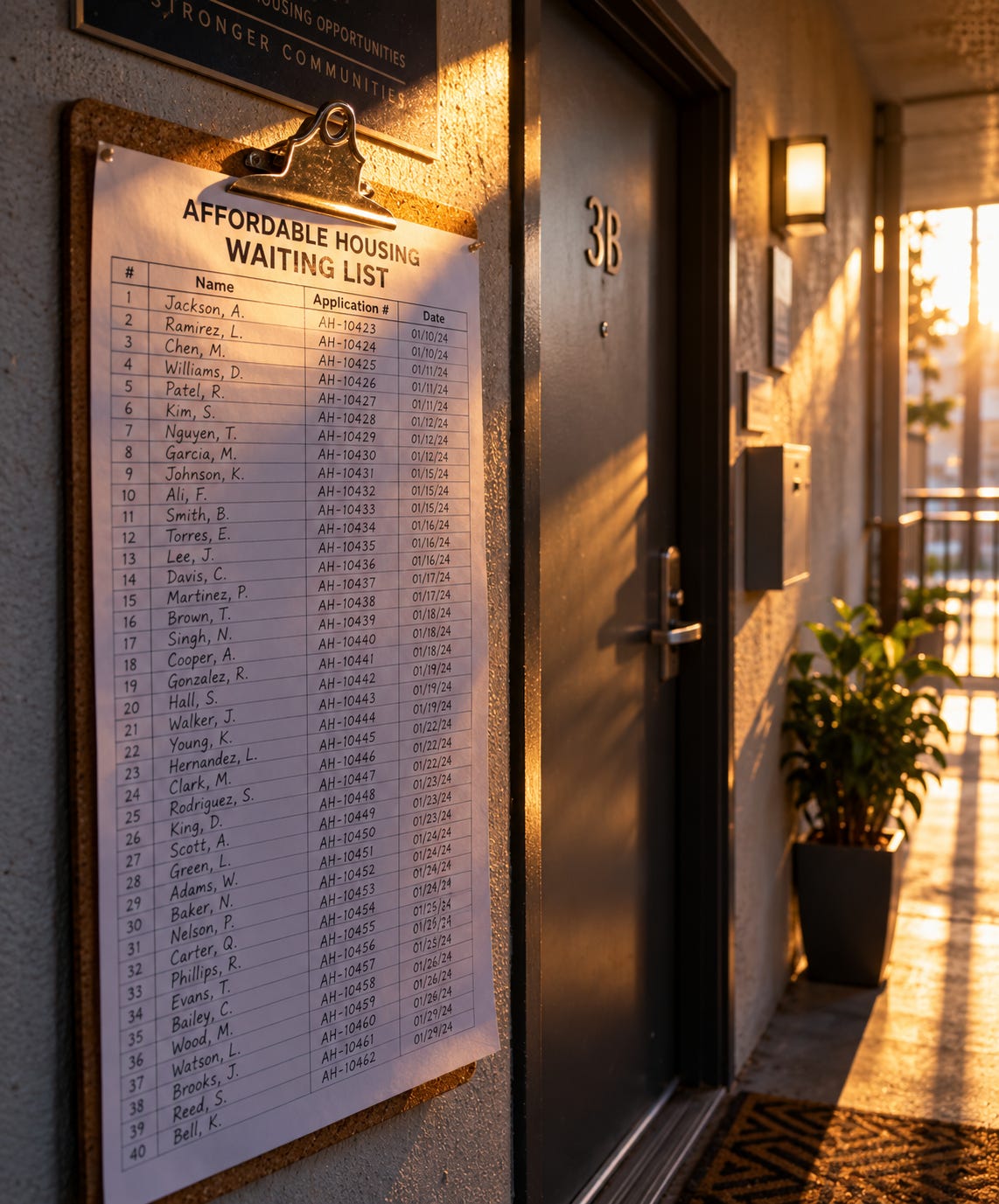
On top of the income gap, families face multi-year waiting lists for extremely low-income housing units, and Section 8 vouchers, when a family is lucky enough to get one, often expire before a landlord willing to accept it can even be found. As one Los Angeles housing advocate put it plainly, society has built real, funded housing systems for people experiencing homelessness, for veterans, and for seniors, but the intellectual and developmental disability community remains left out, even though it needs housing just as urgently.
A New Model Worth Watching, and Copying
A groundbreaking project called The Village broke ground at Pico Boulevard and Glenville in the Beverlywood neighborhood of Los Angeles as one of the nation’s first apartment complexes built specifically for neurodivergent adults, including people with autism and ADHD. Developed by the nonprofit Cornerstone Housing and based on a model built by the LA nonprofit ETTA, the project includes 64 units plus ground-floor retail, with 24-hour staffing, on-site skills training, job placement help, meals, and transit access, as part of a $57 million project that includes $17 million in private funding and $9 million from the State of California.

If you are a parent facing this question, the most useful first step is contacting your regional center, the state-funded agency responsible for coordinating services for people with developmental disabilities, to get on housing waitlists as early as possible rather than waiting for a crisis. If you want to help from the outside, supporting nonprofits building specialized housing like The Village, or simply raising this issue with local elected officials, pushes a chronically underfunded need further into public view.

📌 You Might Also Be Interested In
They Are Not On the Street: The Hidden Homelessness Crisis in Los Angeles
Why Doesn’t Anyone Tell South LA About These LA Safe Spaces?
How Los Angeles Neighborhoods Are Being Erased One Building at a Time
📌 Community Resources
📍 The Arc of California, Housing Resources
Guidance and advocacy on housing options for adults with intellectual and developmental disabilities
📍 ETTA
Los Angeles nonprofit providing housing services and community programs for adults with developmental disabilities
📍 LA County Department of Aging and Disabilities
County resources connecting older adults and people with disabilities to support services
📍 LA Connexion
Our free community resource guide, (323) 200-9096
📌 Join LA Connexion
Housing for adults with disabilities should never depend on how long a parent can hold on. Join LA Connexion and help us keep this need visible.
📞 (323) 200-9096
Housing for adults with disabilities should never depend on how long a parent can hold on. Support LA Connexion’s reporting on stories like this by joining us here.
And if your business wants a better relationship with the community it serves, reach out. We can help make that happen: laconnexions23@gmail.com or (323) 200-9096.